Industry Challenges
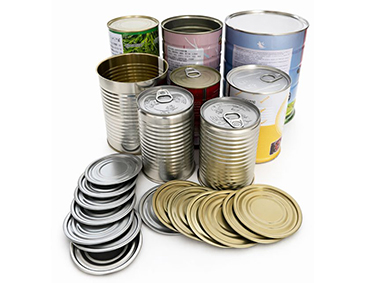
Food packaging manufacturers face increasing pressure to maintain product quality while ensuring stable and efficient production.
- Inconsistent sealing affecting food safety and shelf life
- Material variability impacting forming and can performance
- Surface inconsistency leading to printing defects
- Unstable materials reducing efficiency on high-speed lines
Choosing reliable metal packaging is essential for stable and efficient food production.
| Food Safety | Corrosion Resistance | Excellent Sealing Performance | Long Shelf Life |
| Food-grade materials and coatings prevent interaction with contents, helping maintain product integrity and ensuring safe use throughout processing and storage. | Protective coatings resist moisture and chemical exposure, helping maintain surface stability and reliable performance under various storage conditions. | Optimized structures support consistent sealing across can types, reducing leakage risks and maintaining stable internal conditions for packaged food. | Durable materials and coatings help maintain internal conditions, extending shelf life and supporting storage and long-distance transportation. |
Food Packaging Type
3 Piece Can
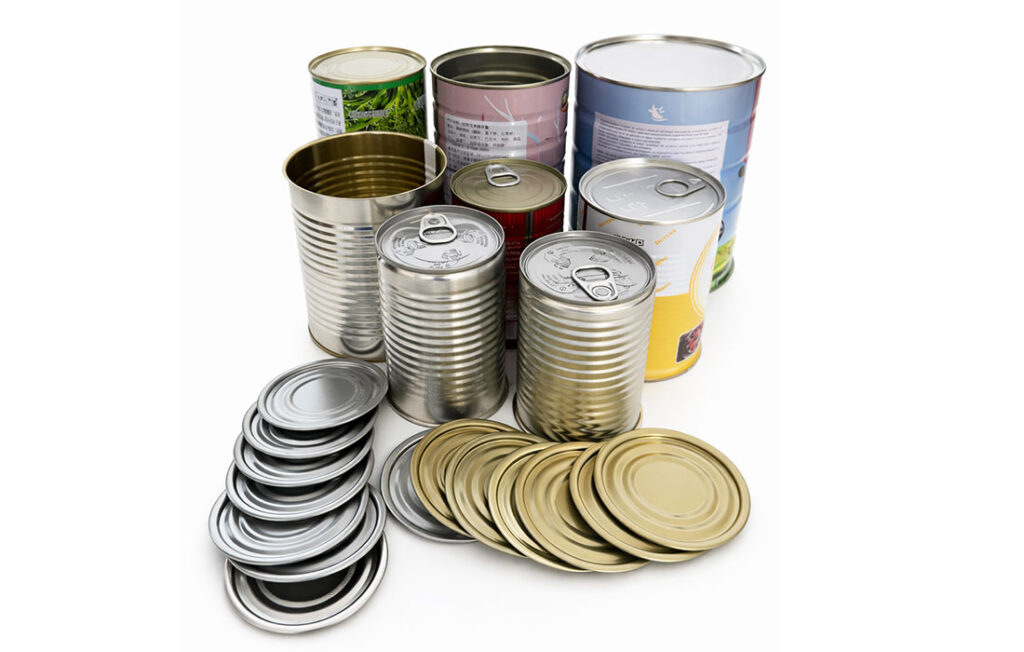
Ideal for a wide range of canned foods, offering flexible sizing and a stable structure for efficient filling and processing.
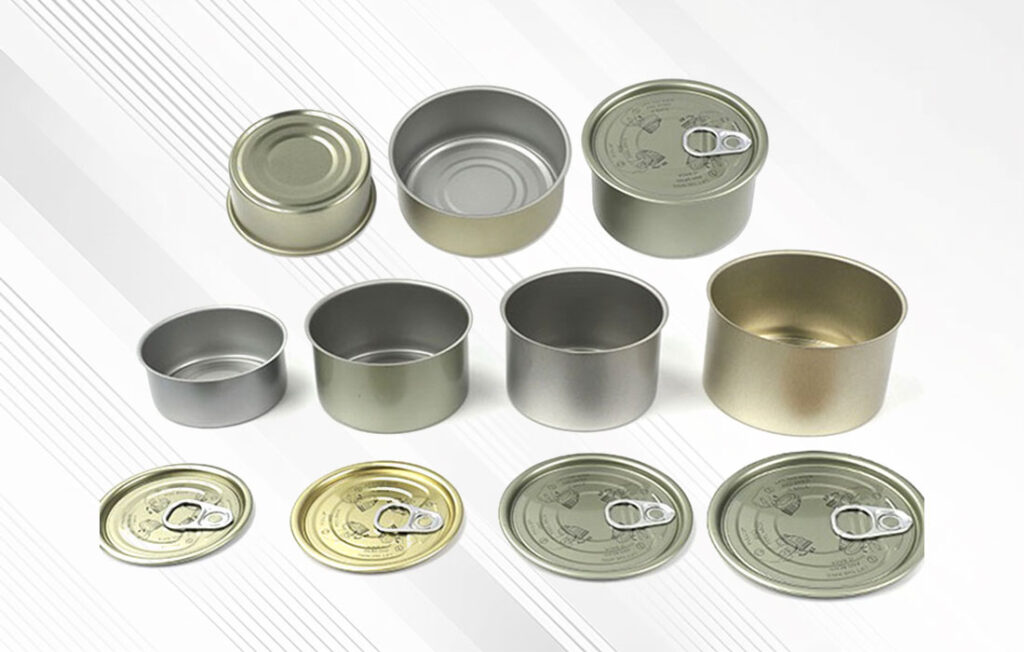
2 Piece Can
Seamless construction delivers strong and consistent performance, making it suitable for high-volume production and standardized packaging applications.
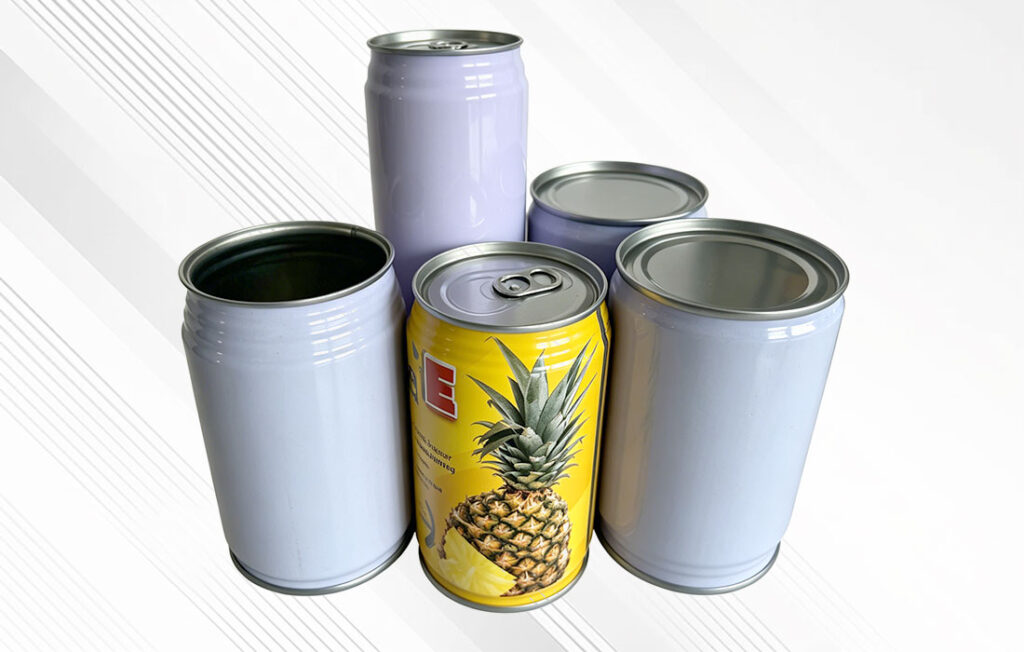
Beverage Beer Can
Suitable for a variety of beverages, featuring a lightweight structure and pressure resistance for efficient filling, storage, and transportation.
From Tinplate to Finished Food Cans
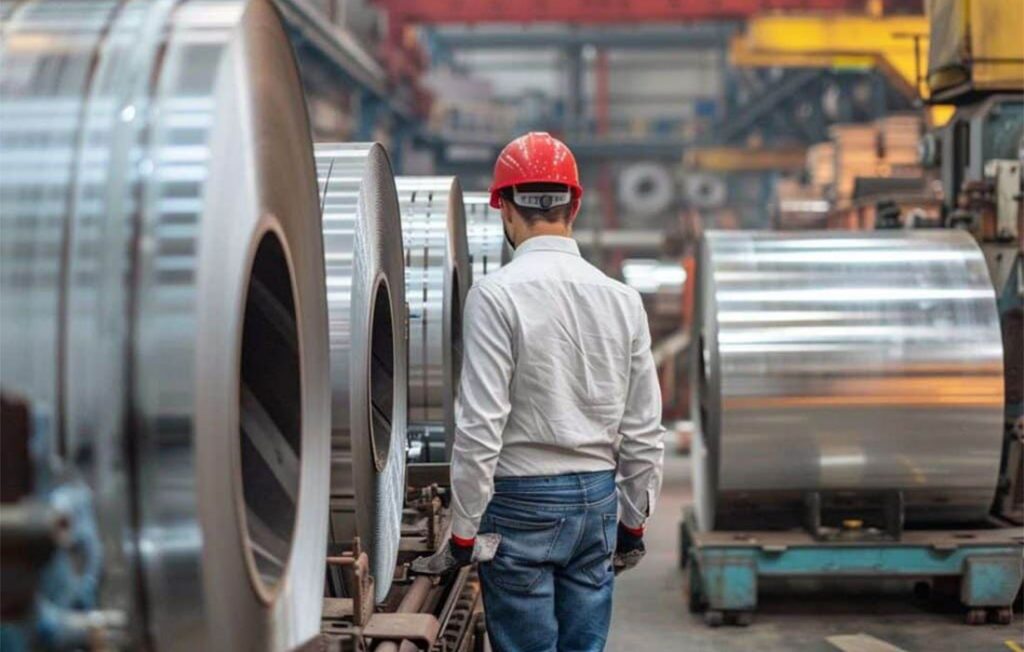
Tinplate Supply
The journey of a reliable food can begins with selecting tinplate that truly matches its intended application. Different food contents, filling processes, and storage environments place unique demands on the material. Instead of using a one-size-fits-all approach, FANWO PACKING evaluates these factors carefully to choose suitable tinplate.
Attention is given not only to basic specifications, but also to how the material behaves during coating, forming, and long-term use. This thoughtful selection helps ensure that the material performs consistently throughout the entire manufacturing process and supports the overall reliability of the final packaging.
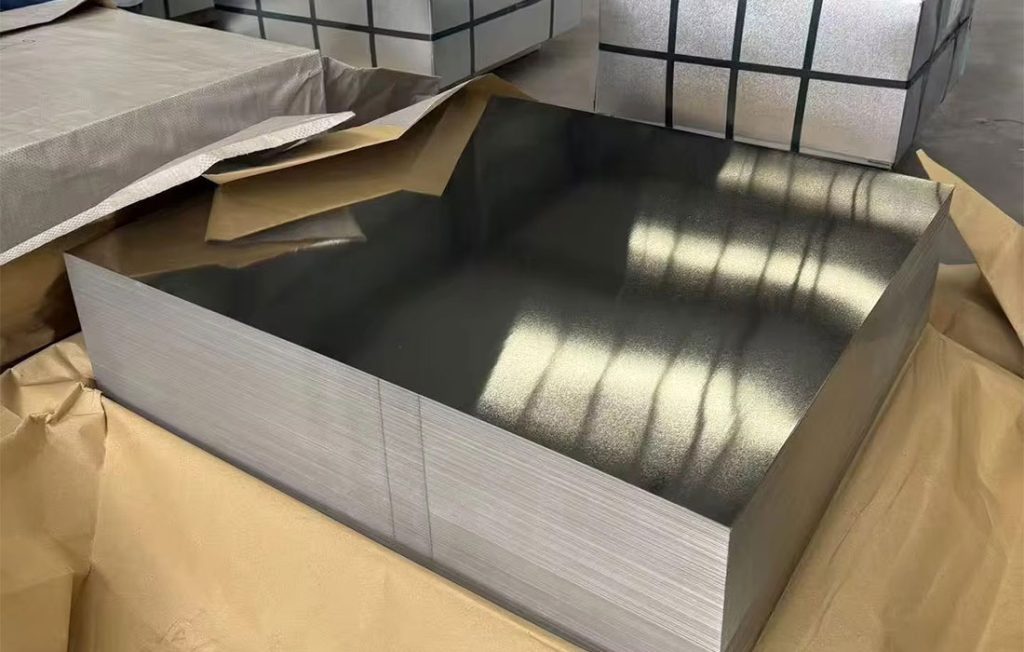
Slitting & Cutting
After selecting the material, the next step is preparing it in forms suitable for further processing. This stage is not limited to simply cutting tinplate into smaller pieces. Greater attention is placed on maintaining edge quality, sheet flatness, and overall consistency.
These details may seem subtle, but they directly influence how the material behaves in later stages. When properly controlled, this step helps reduce handling difficulties, minimizes unexpected deformation, and allows the material to move smoothly into forming and assembly processes, creating a more stable and predictable production flow.
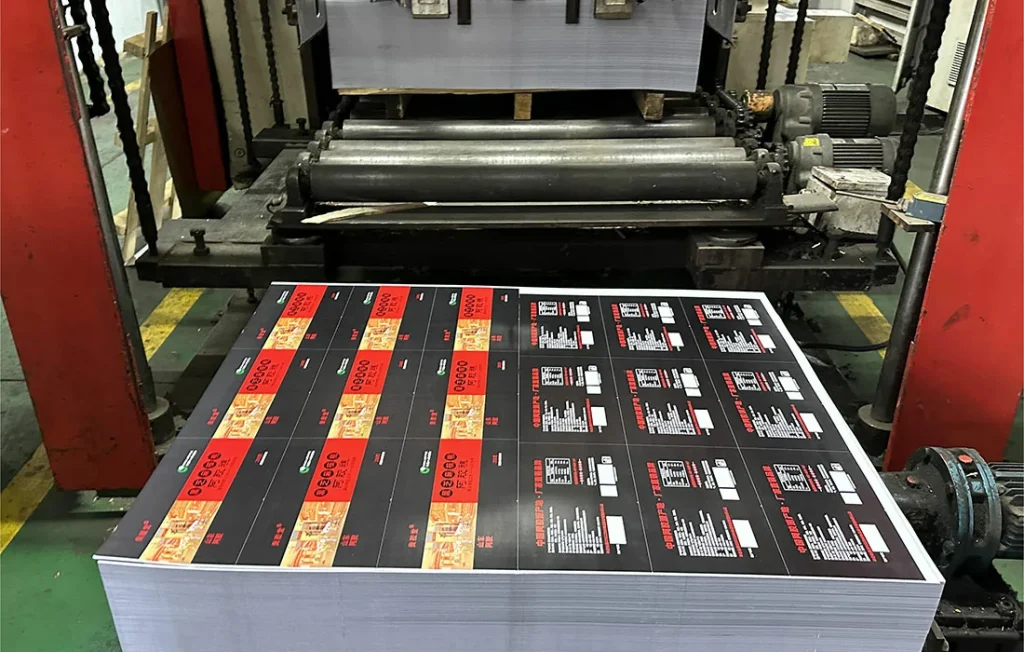
Metal Printing
Before the material is shaped into a container, it undergoes printing and coating processes that define both its appearance and surface behavior. This stage is not only about applying graphics, but also about preparing the surface for later forming and real-world use.
Factors such as ink adhesion, curing conditions, and coating compatibility all play an important role. When managed properly, printing achieves consistent visual results while also ensuring the surface can withstand filling, sterilization, and storage conditions without compromising performance.
Can Body Forming
At this stage, flat sheets are transformed into can bodies that define the structure of the final package. The focus is not only on shaping, but also on achieving consistency in wall thickness and structural balance. These factors influence how the container performs during filling and sealing operations.
With well-controlled forming processes, the result is a stable and uniform structure that can maintain its shape under real packaging conditions and support reliable use throughout the product lifecycle.
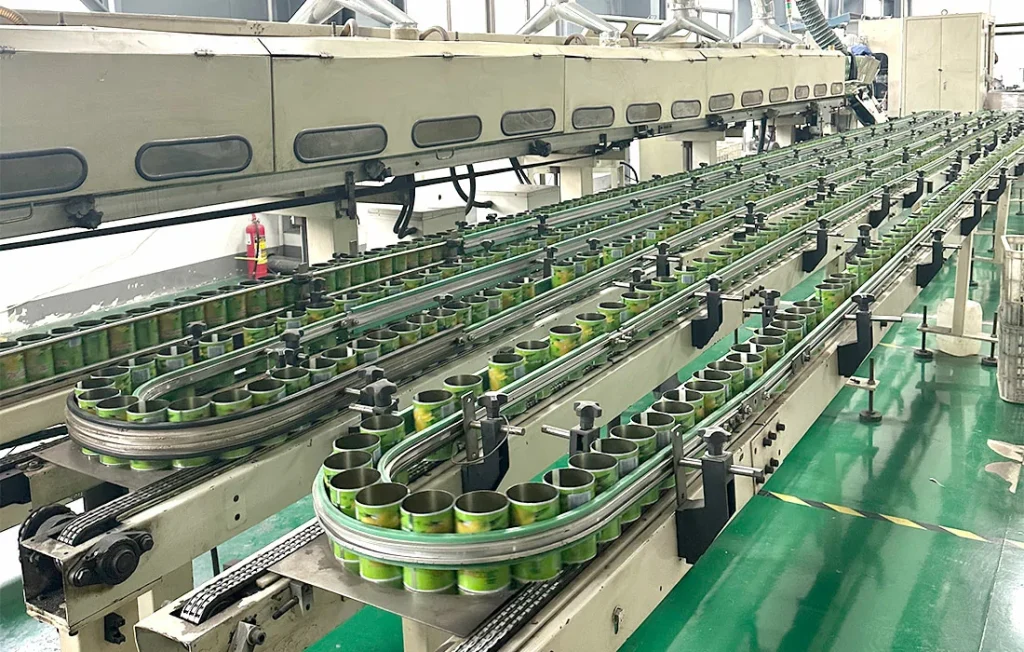
Seaming & Assembly
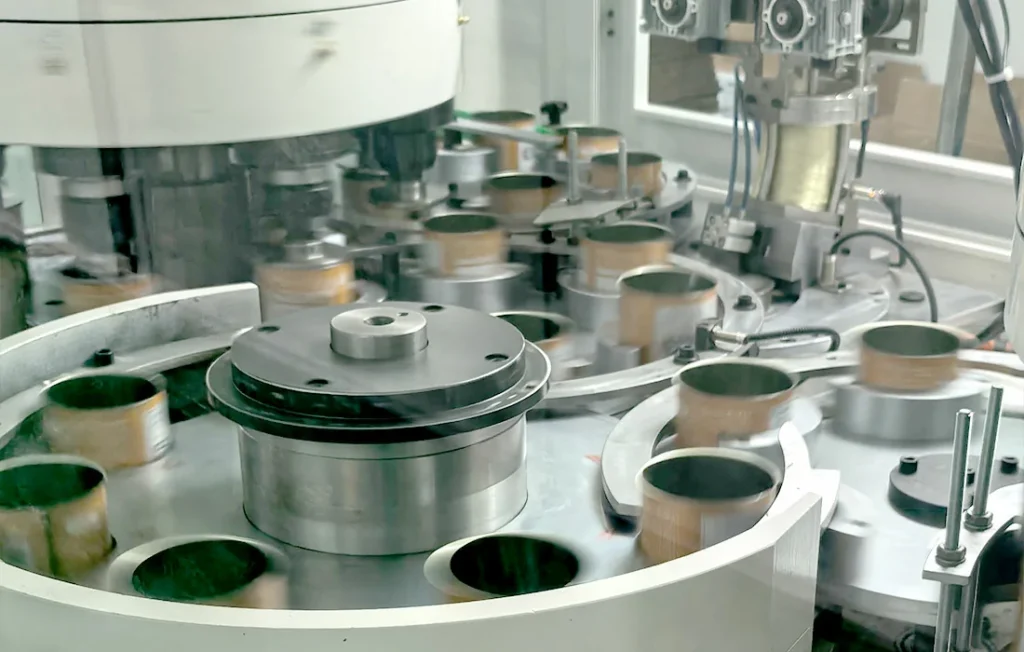
Once the can body is ready, it is combined with other components to form a complete container. The way each part fits together affects how the can performs in practical use. At this stage, attention is given to alignment, connection stability, and overall structural integrity.
Proper assembly and seaming allow the container to function as a unified structure, capable of maintaining its condition during filling, handling, and storage without unexpected issues.
Finished Food Cans
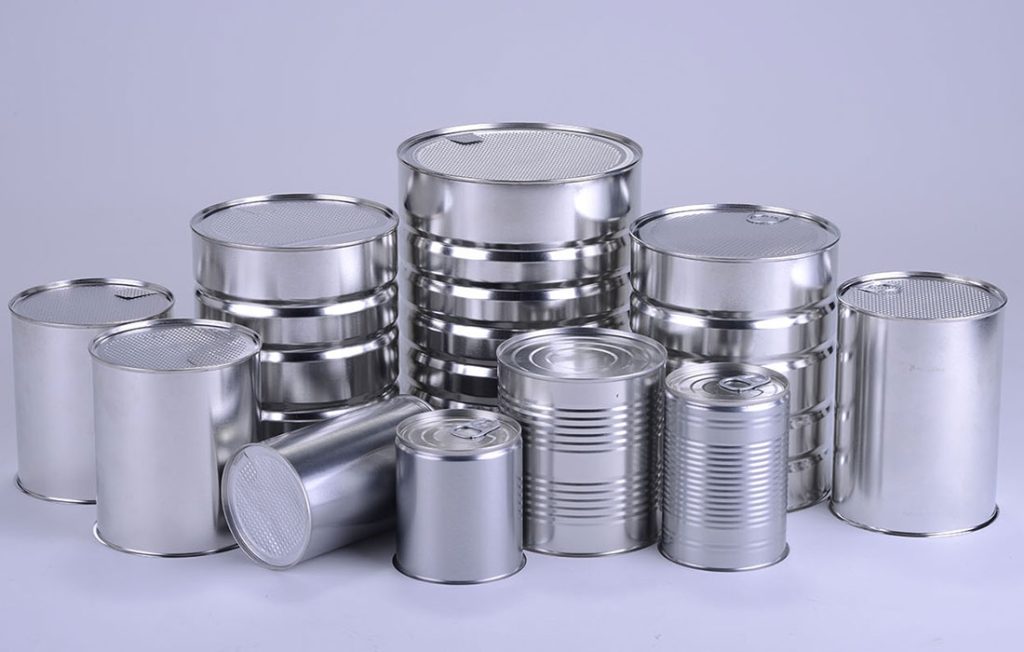
In the final stage, completed cans are prepared for practical use in food packaging applications. Their condition reflects the combined results of all previous processes. Consistency in structure, surface, and appearance ensures predictable performance during filling, storage, and distribution.
A well-finished can not only meets functional requirements but also supports a smooth and reliable packaging process across different usage scenarios.
Supporting Equipment for Complete Packaging Solutions
To support customers who require a complete packaging workflow, we also provide selected auxiliary equipment for filling, sealing, sterilization, labeling, and packaging processes.
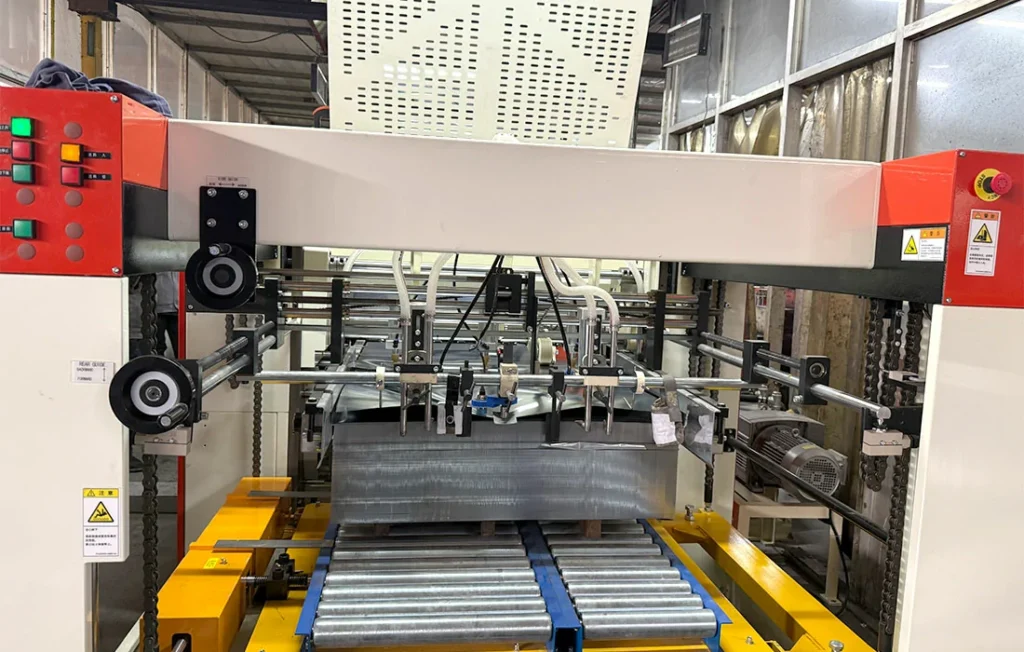
Sealing Machine
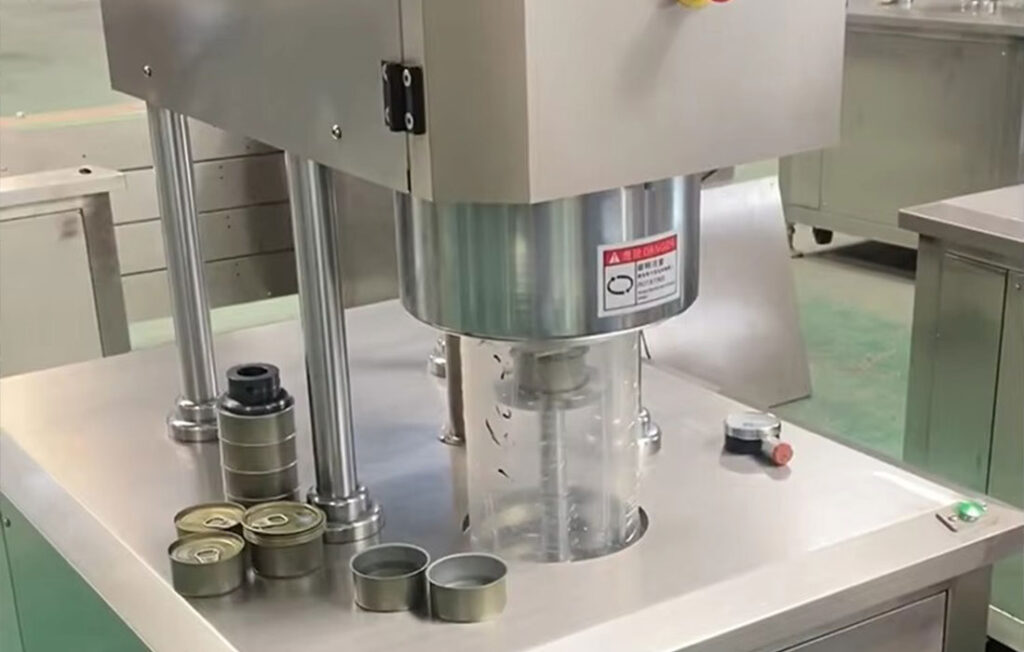
Ensures secure can closure for stable sealing and efficient packaging line operation.
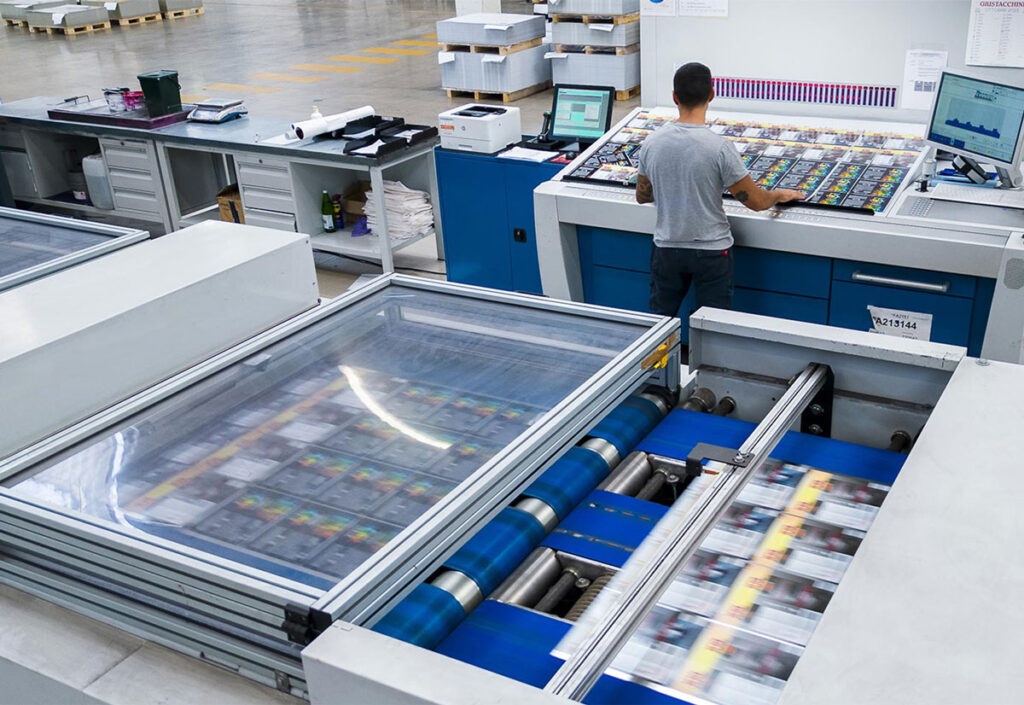
Printing machine
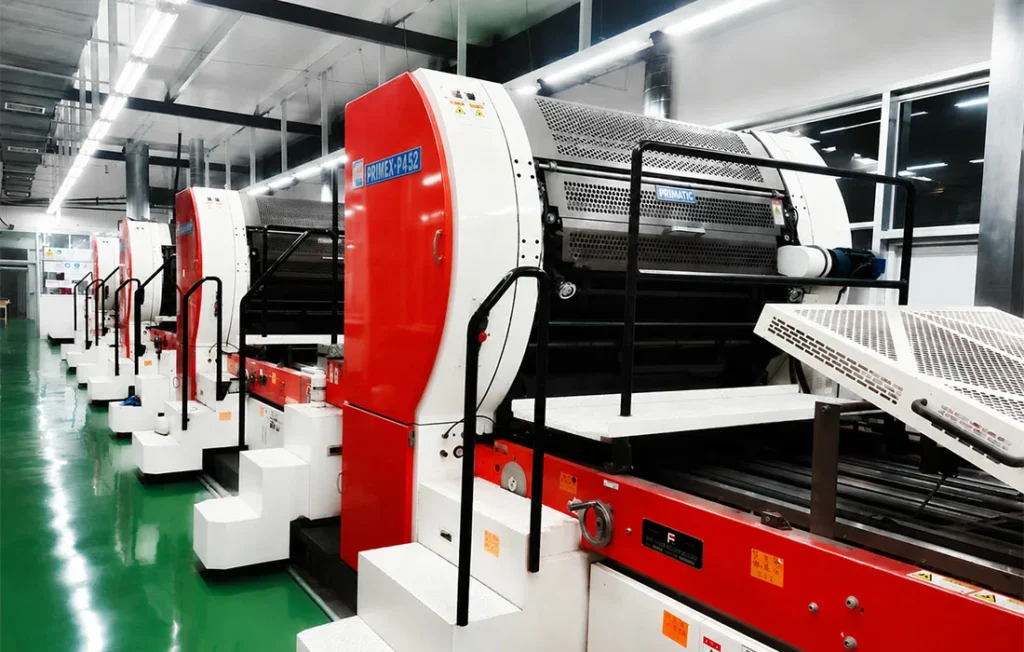
Delivers clear tinplate graphics for consistent branding across food packaging production.
Coating Machine
Applies protective coatings for food safety, corrosion resistance, and reliable can performance.
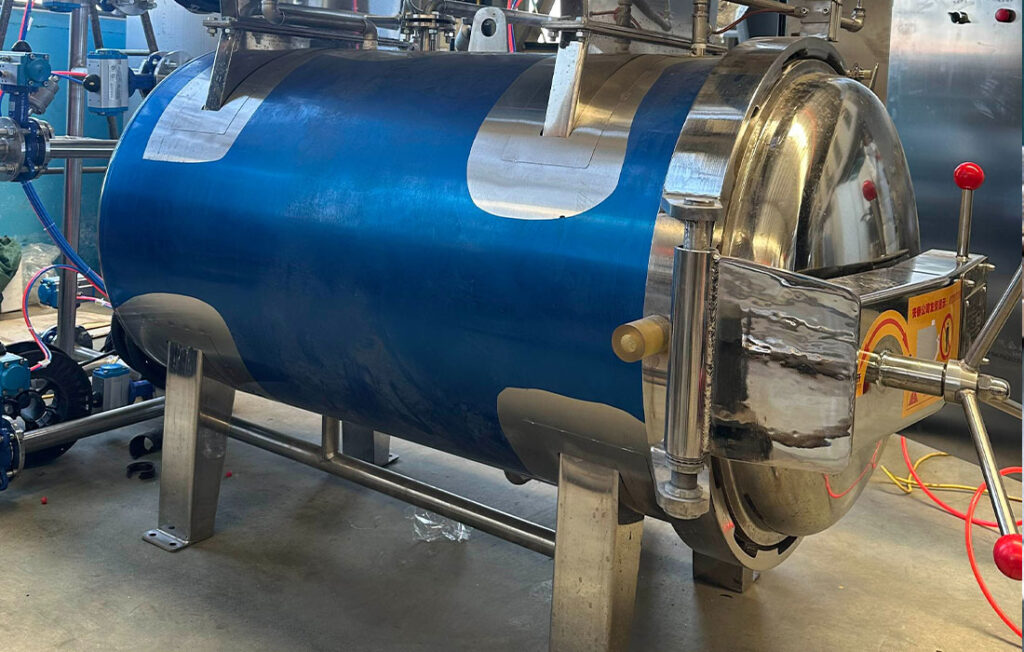
Sterilization Autoclave
Supports high-temperature retort processing for safe food preservation and stable can integrity.
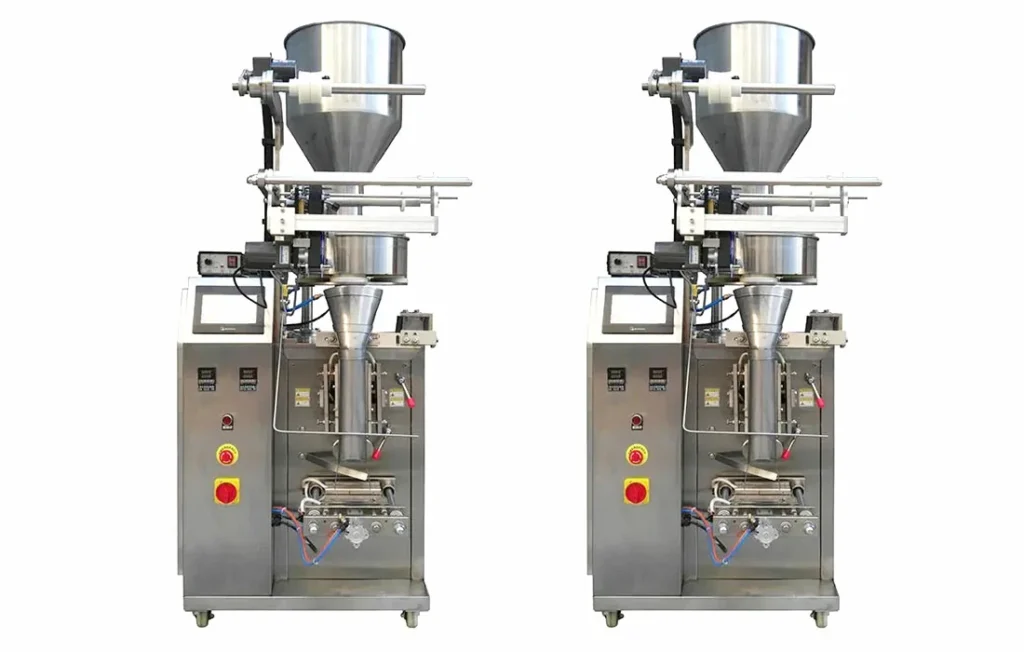
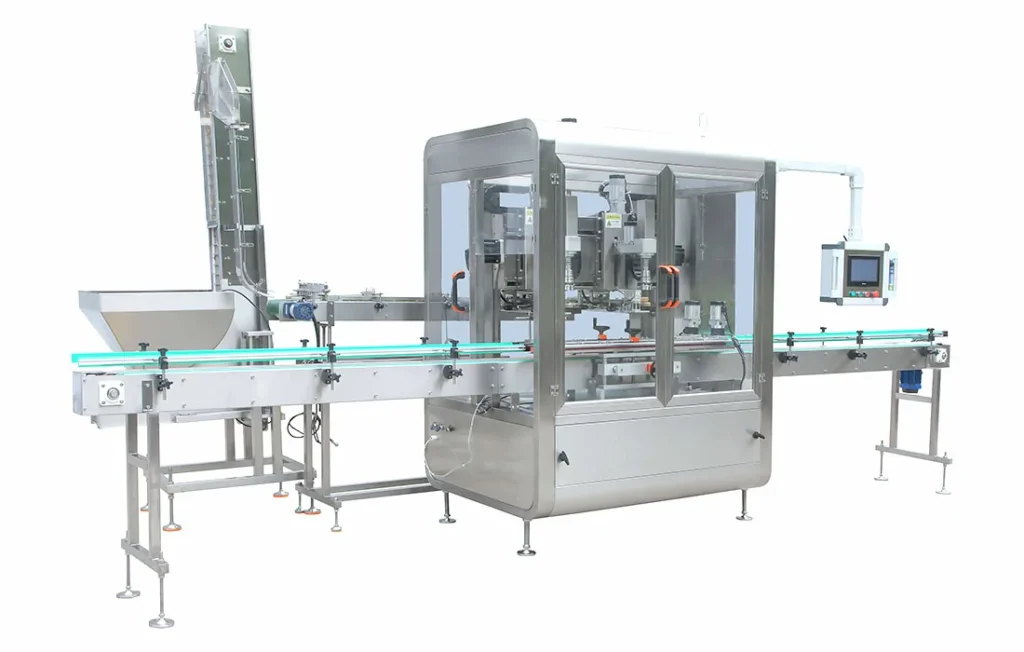
Filling Machine
Enables accurate product filling for efficient, hygienic, and consistent food packaging processes.
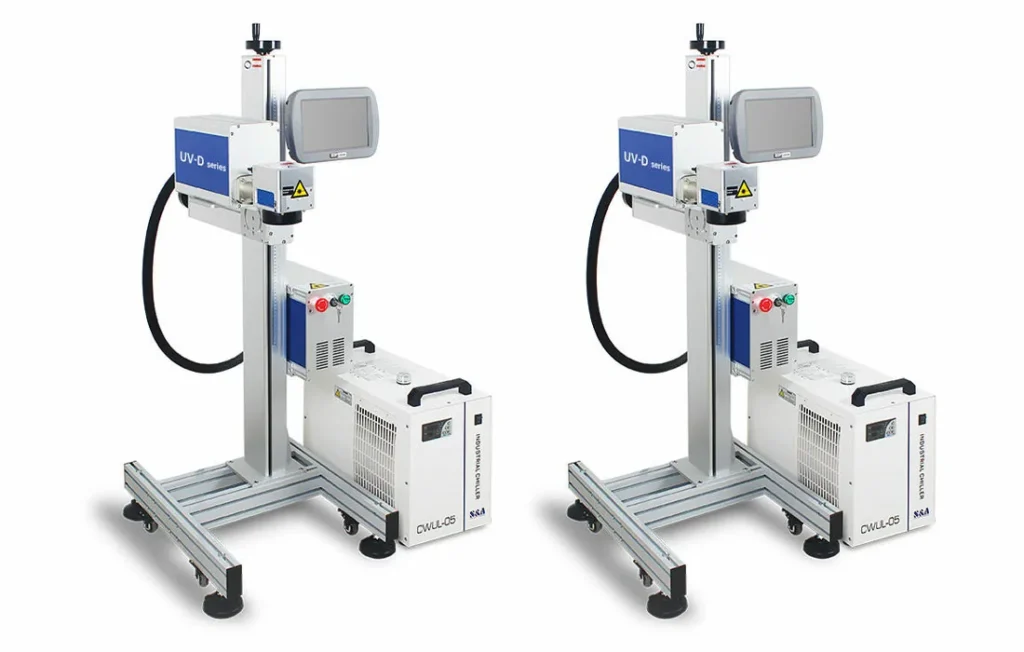
Marking Machine
Prints batch codes and production details for traceability across food packaging lines.
Labeling machine
Applies labels accurately to food packaging containers, improving brand consistency and final packing efficiency.
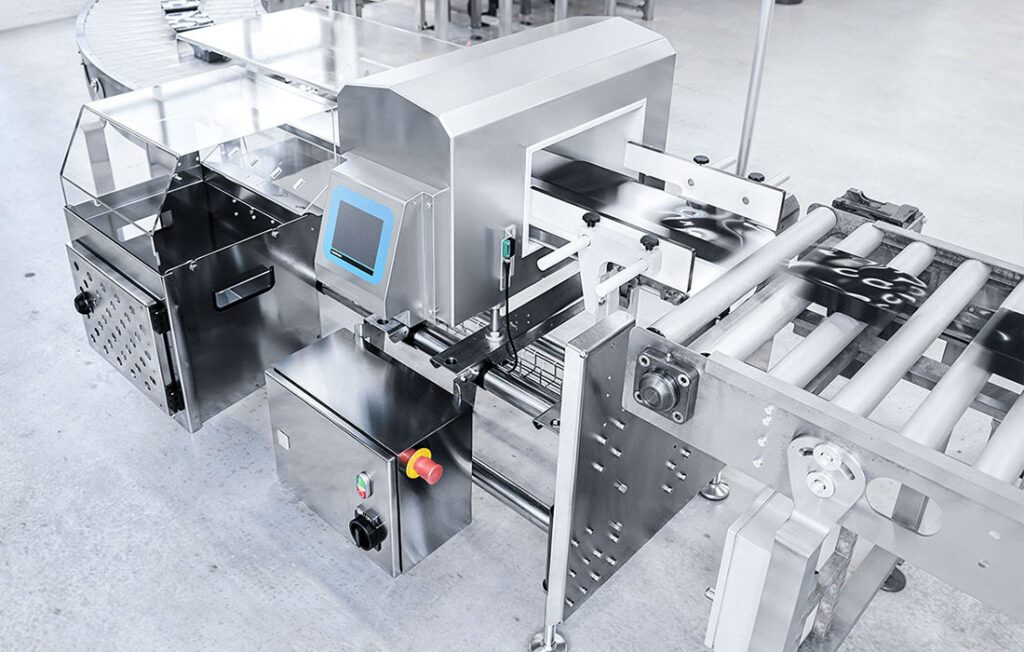
Inspection System
Helps detect defects and maintain stable quality throughout food packaging production.
Customization Options
Every project requires a different approach. S.H PACKING provides customized tinplate materials based on specific requirements, along with flexible options in size, structure, and design, helping customers develop packaging solutions that better fit their products and target markets.
Thickness
Tin coating weight
Sheet size
Coil width
Surface finish
Printing compatibility
Food Packaging Solutions FAQs
What types of food products can your packaging support?
Our solutions cover a wide range of canned foods, including vegetables, fruits, meat, seafood, and dairy-related products such as milk powder.
How do you ensure food safety in your packaging materials?
Materials are designed to be compatible with food-grade coatings, ensuring safe contact with contents and stable performance during processing and storage.
Can your packaging handle high-temperature sterilization processes?
Yes, the materials are suitable for retort processing and can withstand high-temperature sterilization conditions required in food canning.
Do you offer customization for different food packaging requirements?
Yes, specifications such as size, thickness, coating systems, and printing can be adjusted to match different product and production needs.
How do you ensure consistent supply for large-scale production?
With integrated processing and stable production capacity, we ensure consistent material quality and reliable supply for continuous manufacturing.
No responses yet