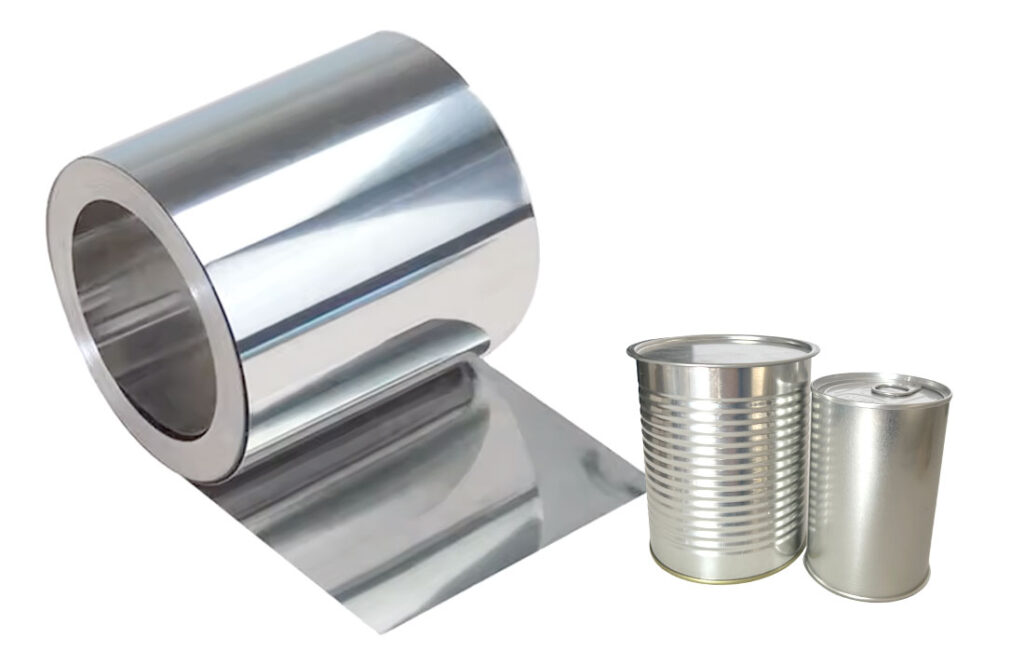
Excellent corrosion resistance
Food-grade safe for packaging applications
Smooth surface for printing and coating
Good formability for can production
Strong coating adhesion
Suitable for high-speed production lines
Mail: export@fanwopacking.com Whatsapp: +86 13583198560
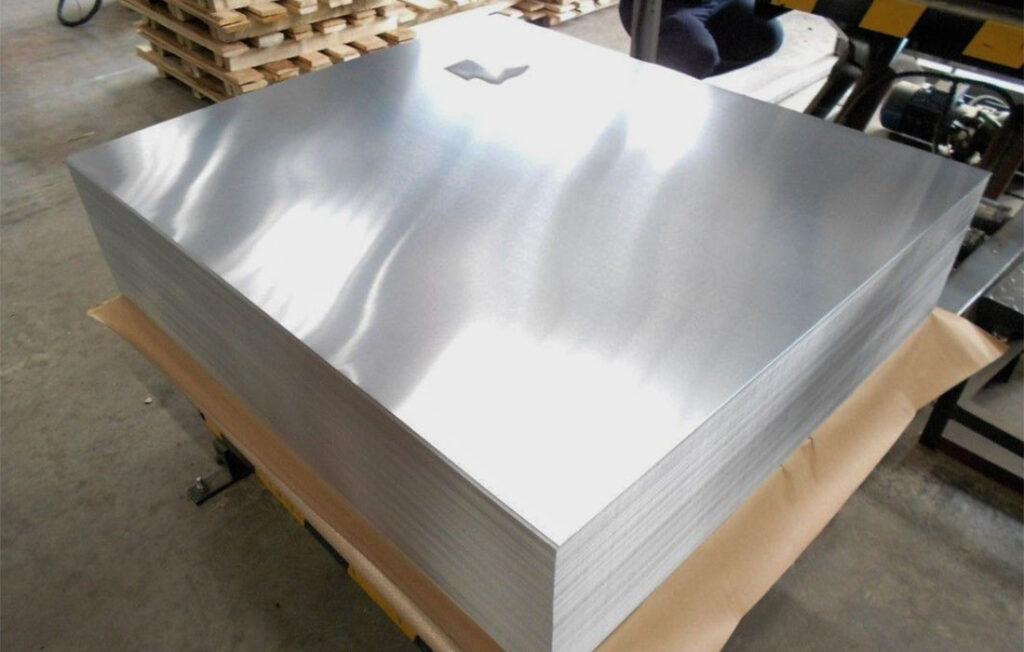
Product Introduction
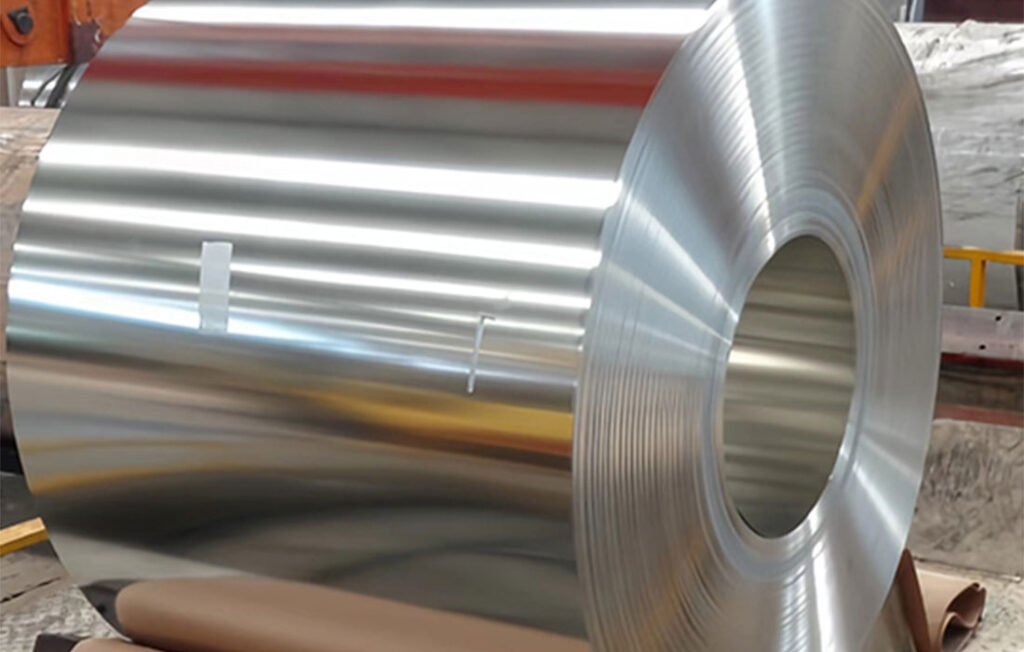
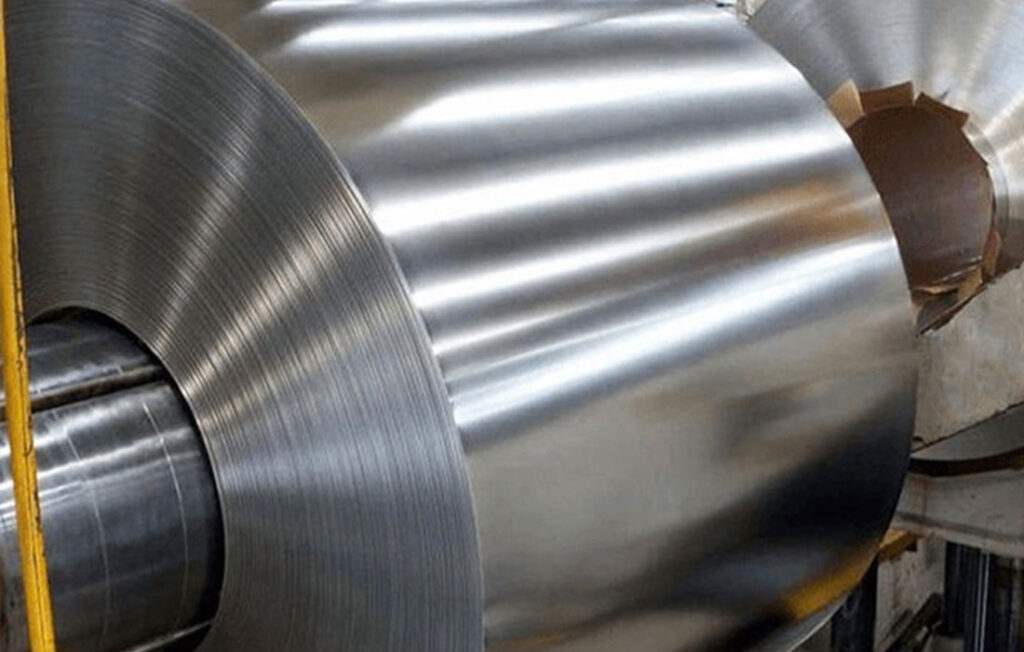
Tinplate (ETP) is a high-quality electrolytic tin-coated steel widely used in the production of food cans, beverage cans, aerosol cans, and industrial containers. It combines the strength of steel with the corrosion resistance of tin, providing reliable protection for packaged products. With a smooth and uniform surface, it supports printing and coating processes, ensuring strong adhesion and a refined appearance. Its good formability allows efficient shaping and compatibility with high-speed production lines.
Backed by integrated processing capabilities, FANWO PACKING supplies tinplate in both coil and sheet forms, with flexible options in thickness, temper, and coating weight to meet diverse manufacturing requirements.
Product Specification
| Item | Specification |
|---|---|
| Material | Low carbon steel for consistent forming performance |
| Coating | Electrolytic tin coating for corrosion protection |
| Thickness | 0.12mm – 0.50mm |
| Width | Custom slit widths available upon request |
| Temper | T1 – T5, suitable for different forming requirements |
| Surface Finish | Bright, stone, and Matte options available |
| Tin Coating Weight | Customizable to meet application needs |
| Form | Available in coil and sheet formats |
From Tinplate to Finished Food Cans
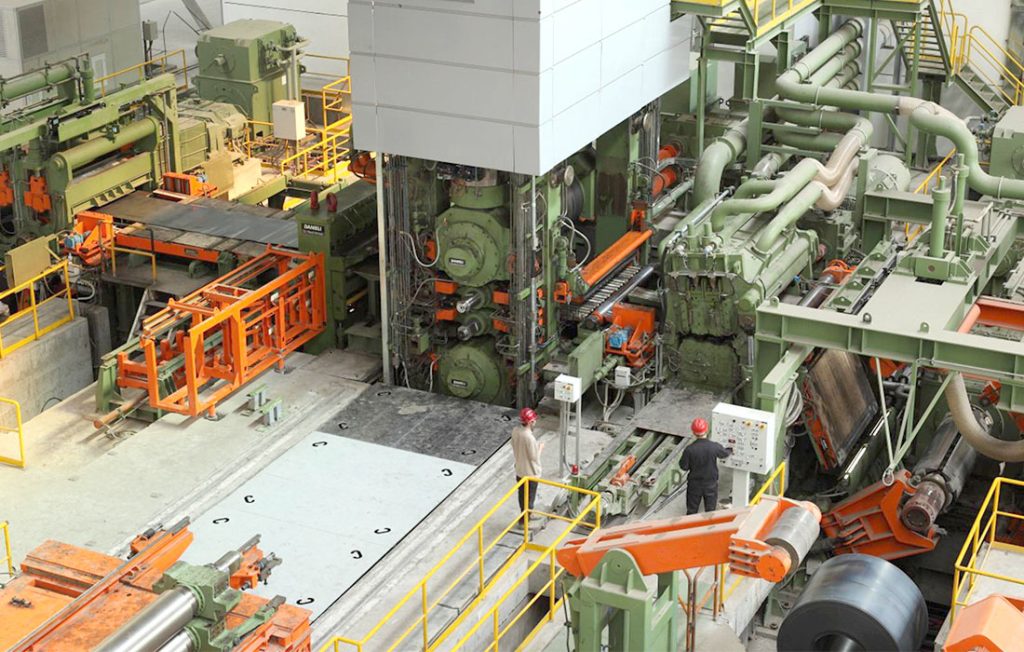
Cold Rolling
High-quality low carbon steel is cold-rolled to the required thickness, ensuring uniform mechanical properties and dimensional accuracy.
Stable rolling control helps deliver consistent material quality, making it easier to support downstream processes such as coating, printing, and forming in various metal packaging applications.
Annealing
During annealing, the steel is treated in either batch or continuous processes to improve ductility and formability. This makes the material more suitable for can body forming and shaping.
With controlled annealing, the material maintains stable performance and adapts more easily to subsequent processing.
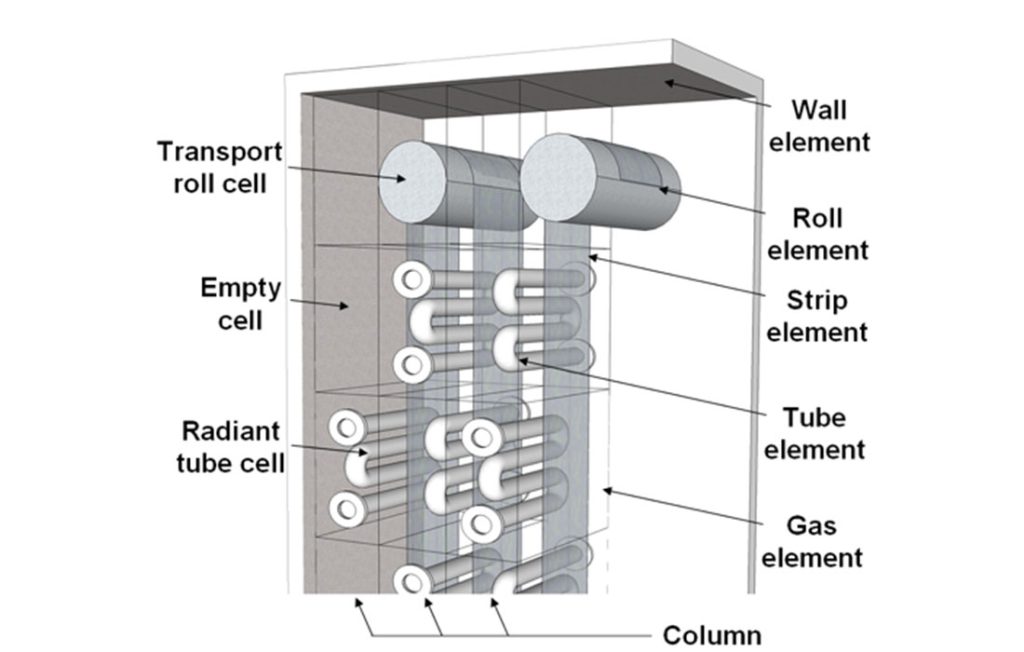
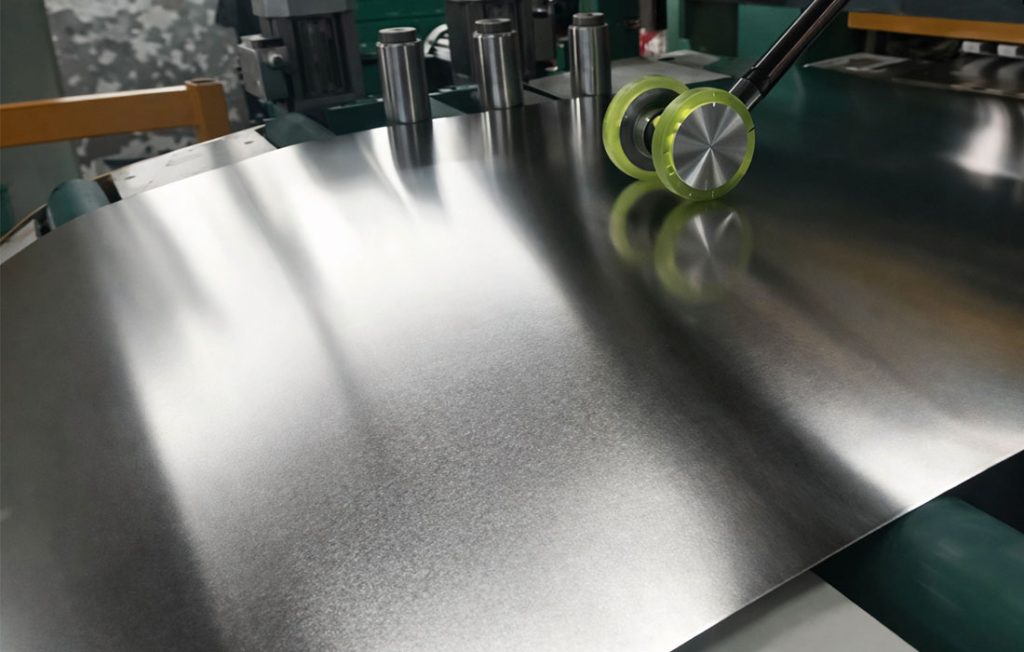
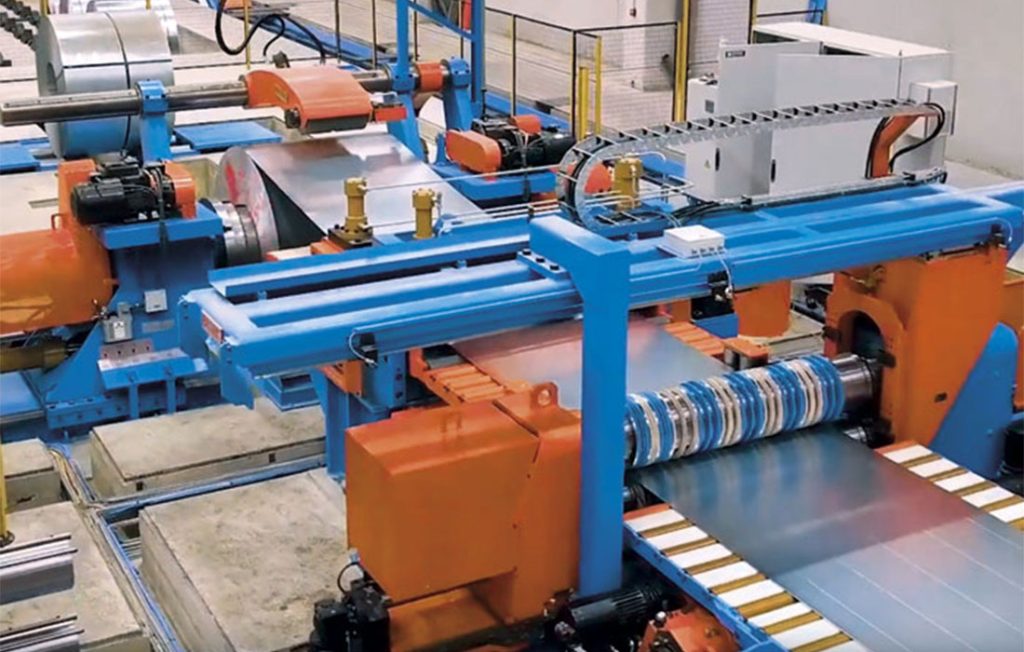
Electrolytic Tin Coating
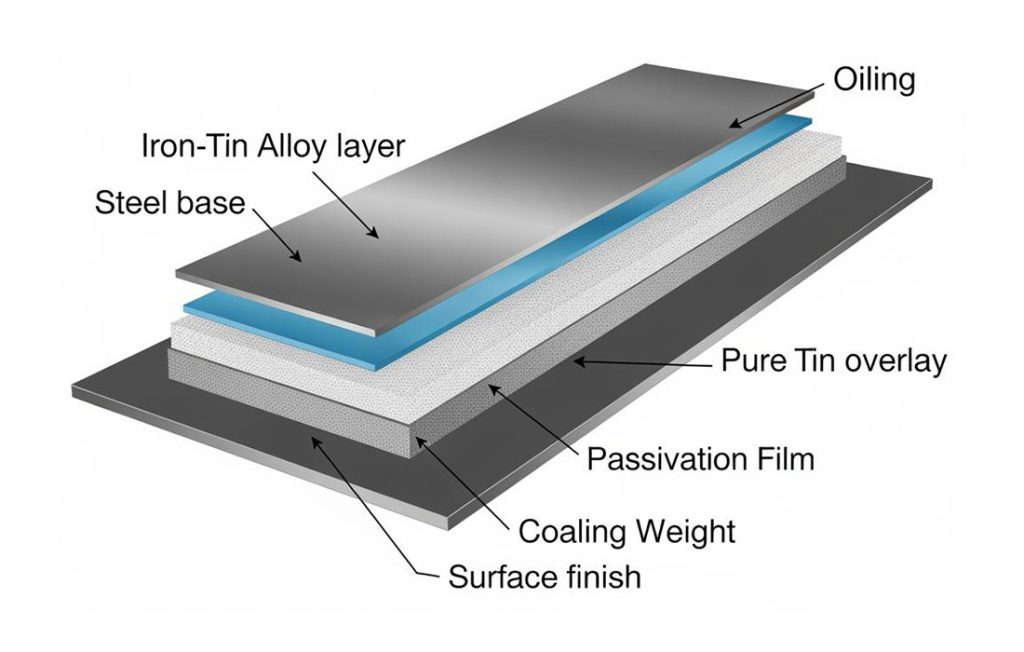
A thin layer of tin is applied to both sides of the steel sheet through an electrolytic process, creating a clean and uniform surface.
This step enhances corrosion resistance and supports food safety compatibility while providing a stable base for subsequent processes such as coating, printing, and forming.
Reflow Treatment
The tin-coated surface is heated to form a more even and refined finish.
This treatment improves visual appearance and enhances surface compatibility with subsequent processes, making the material better suited for later printing, coating, and forming without affecting its overall stability.
Surface Passivation
A chemical treatment is applied to the surface to prevent oxidation and maintain stability during storage and transportation.
This step helps preserve material condition and supports more consistent performance in subsequent processing, making the tinplate more reliable for different packaging applications.
Oiling
A light oil layer is applied to reduce friction and protect the surface from scratches during processing and handling.
This treatment helps maintain material condition and allows smoother feeding in downstream operations such as cutting, forming, and printing, supporting stable performance in metal packaging production.

Inspection & Finishing
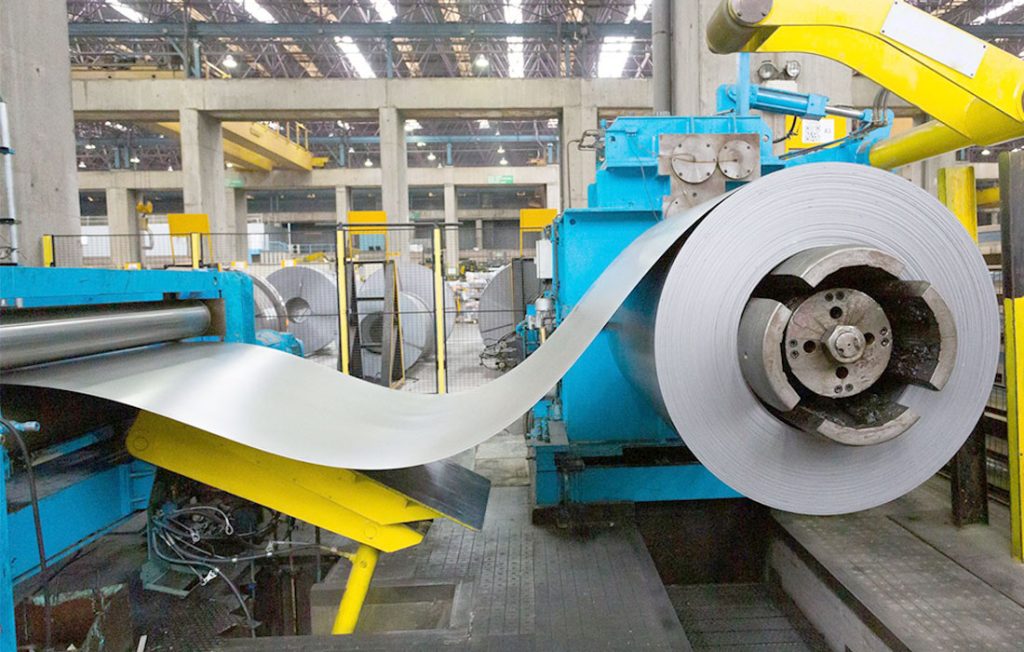
The final product is inspected for thickness, coating weight, surface quality, and dimensional accuracy before delivery. Materials are then prepared in coil or sheet form according to customer requirements.
This step helps ensure consistent quality and makes the tinplate ready for use in various metal packaging applications.
Product Application
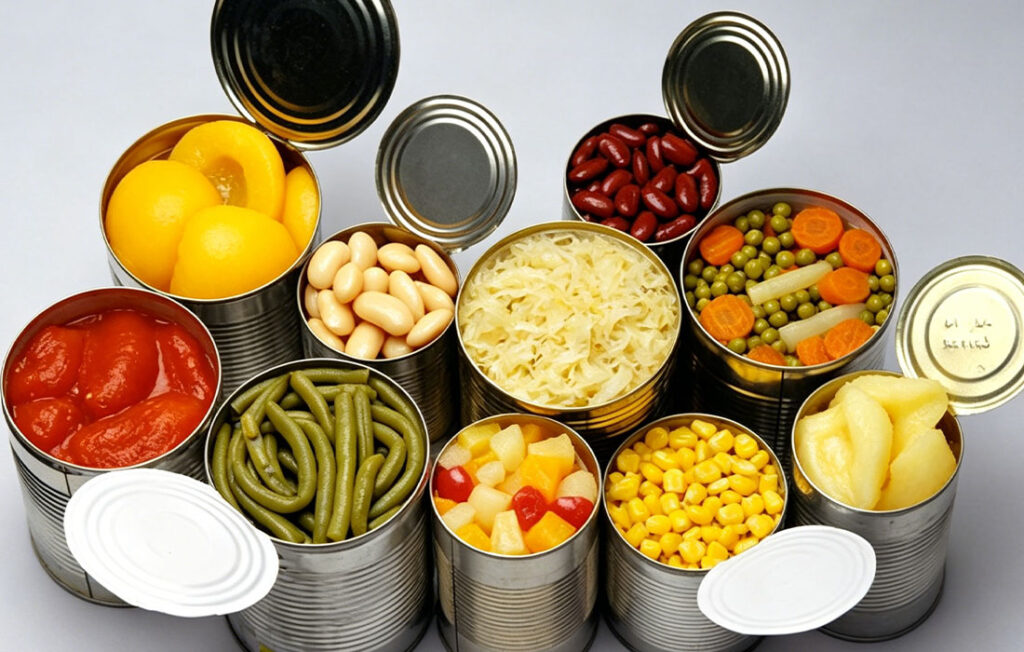
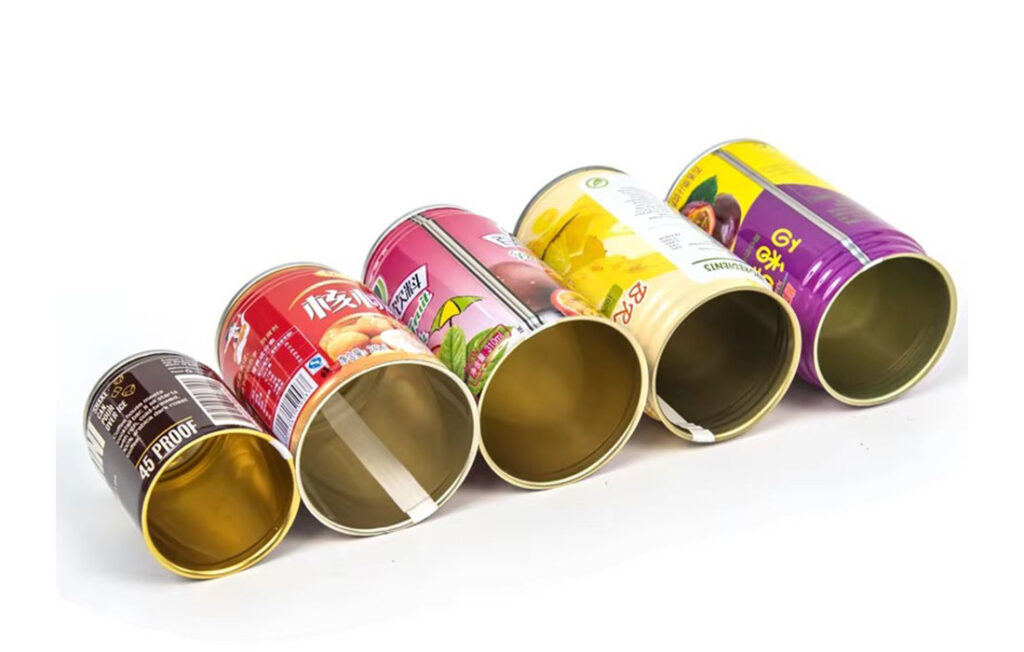
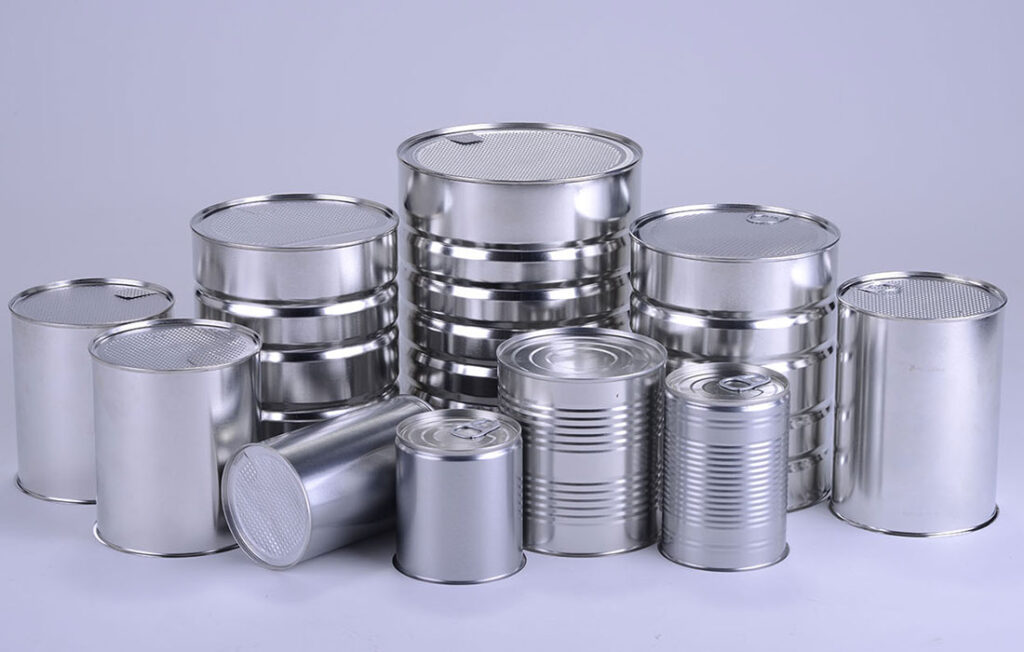
Food cans (vegetables, fruits, meat)
Preserves vegetables, fruits, and meat products, maintaining product integrity during processing, storage, and long-term shelf distribution.
Beverage cans
Supports liquid filling and sealing operations, ensuring smooth processing and consistent output across high-speed production environments.
Milk powder cans
Protects dry powder contents from moisture and external influence, maintaining product condition throughout storage and transportation.
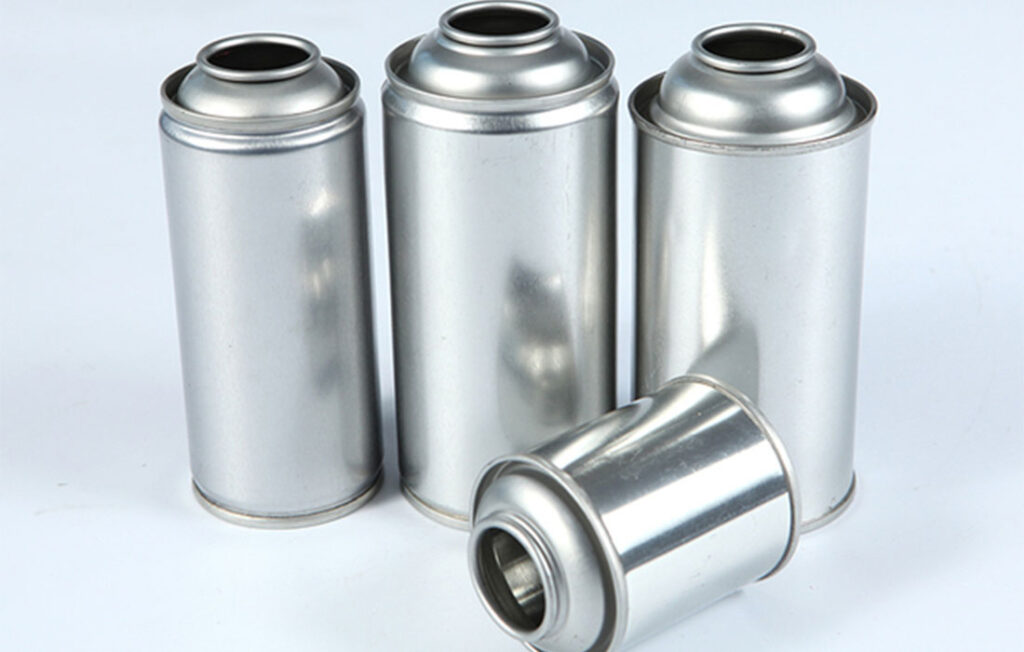
Aerosol cans
Delivers consistent performance in pressurized environments, allowing controlled spray output and stable operation throughout repeated use.
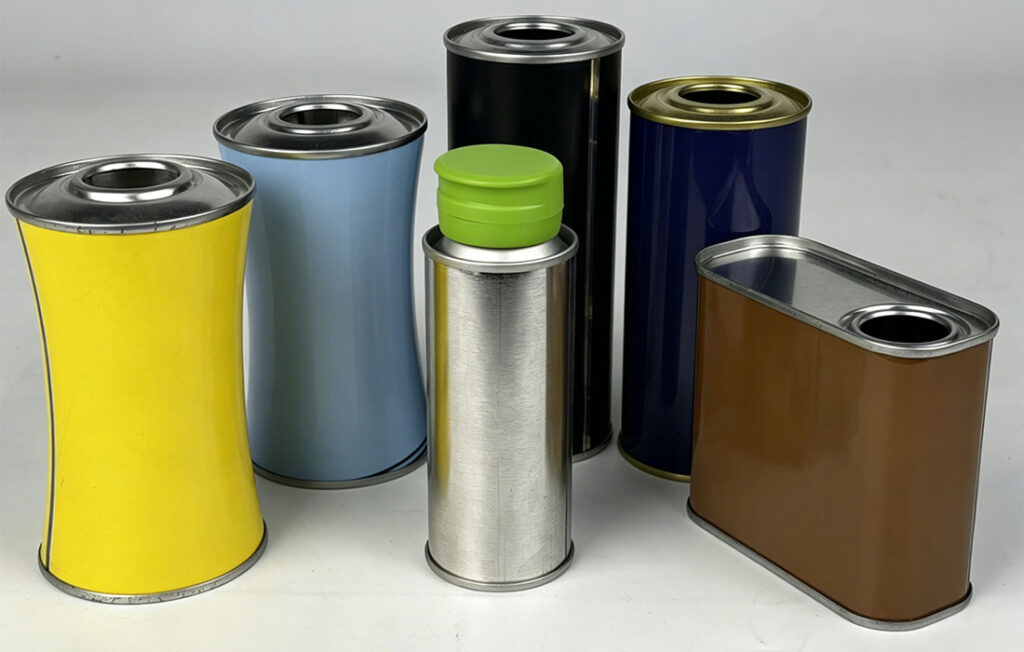
Edible oil containers
Handles edible oil with stable containment, maintaining structure and performance during filling, stacking, and transportation.
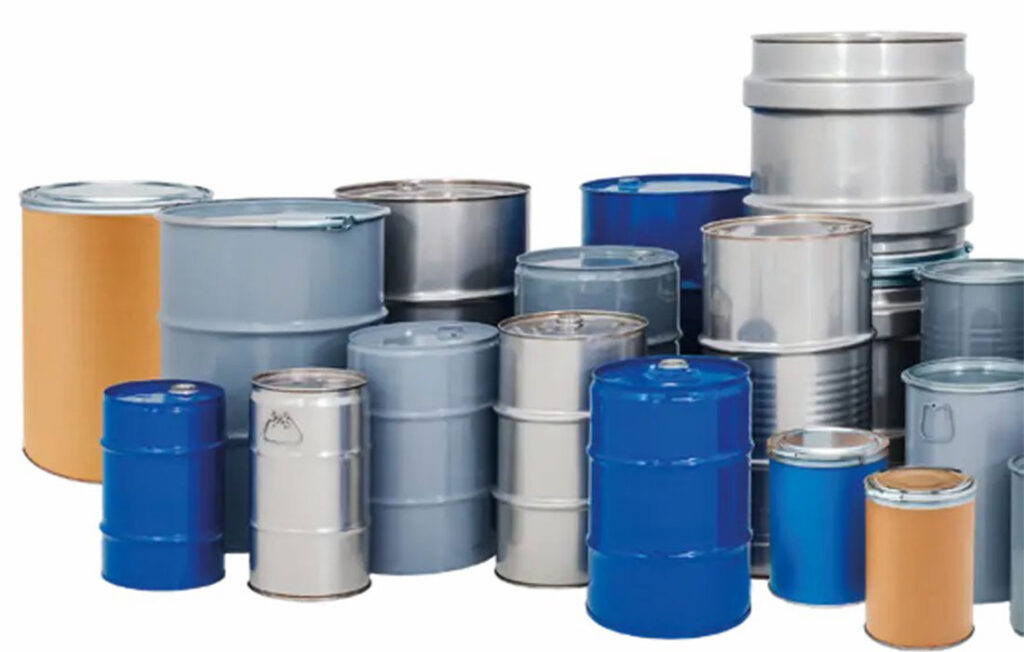
Chemical packaging
Stores and handles various chemical products safely, maintaining stable performance under different industrial use conditions.
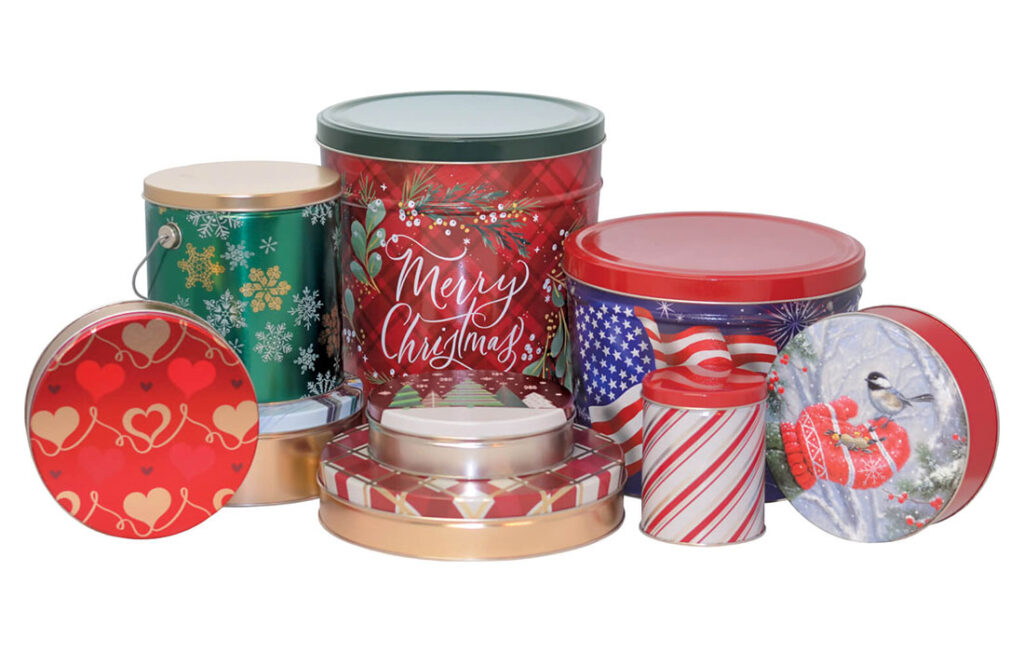
Decorative tins
Enhances product presentation with detailed graphics and refined finishes, supporting visually distinctive packaging designs.
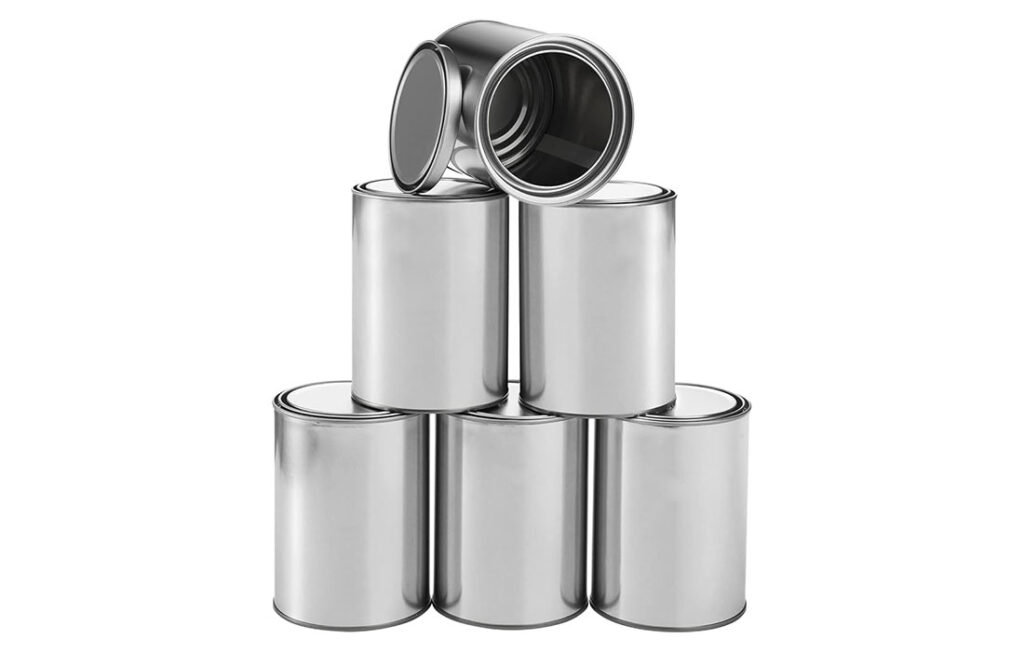
Paint & Chemical Cans
Handles demanding contents with stable performance, supporting safe storage and consistent behavior across various coatings and chemical products.
FAQ
What is the difference between Tinplate (ETP) and Tin Free Steel (TFS)?
Tinplate (ETP) is coated with tin, offering better corrosion resistance and food safety performance. Tin Free Steel (TFS) uses chromium coating and is typically used for can ends or lids rather than can bodies.
Is your tinplate suitable for food packaging?
Yes, our tinplate meets food-grade requirements and can be used for food cans such as vegetables, fruits, meat, and milk powder. BPA-free coating options are also available upon request.
What thickness of tinplate do you supply?
We provide tinplate with thickness ranging from 0.12mm to 0.50mm, with customized specifications available based on your production requirements.
Do you supply tinplate in coil or sheet form?
Yes, we supply both coil and sheet forms. Sizes can be customized according to your processing and production needs.
Can you provide customized tin coating weight and temper?
Yes, tin coating weight, temper (T1–T5), and surface finish can all be customized to match different applications and manufacturing processes.
Is your tinplate compatible with high-speed can production lines?
Yes, our tinplate is designed for excellent formability and coating adhesion, making it fully compatible with high-speed can forming, welding, and seaming processes.
What is the minimum order quantity (MOQ)?
MOQ depends on the specification and order type. Please contact us with your requirements, and we will provide the most suitable solution.
Do you provide samples before bulk order?
Yes, samples can be provided for quality evaluation and testing before placing a bulk order.
No responses yet